The most sustainable pallet wrap is the film you eliminate through smarter wrapping performance.
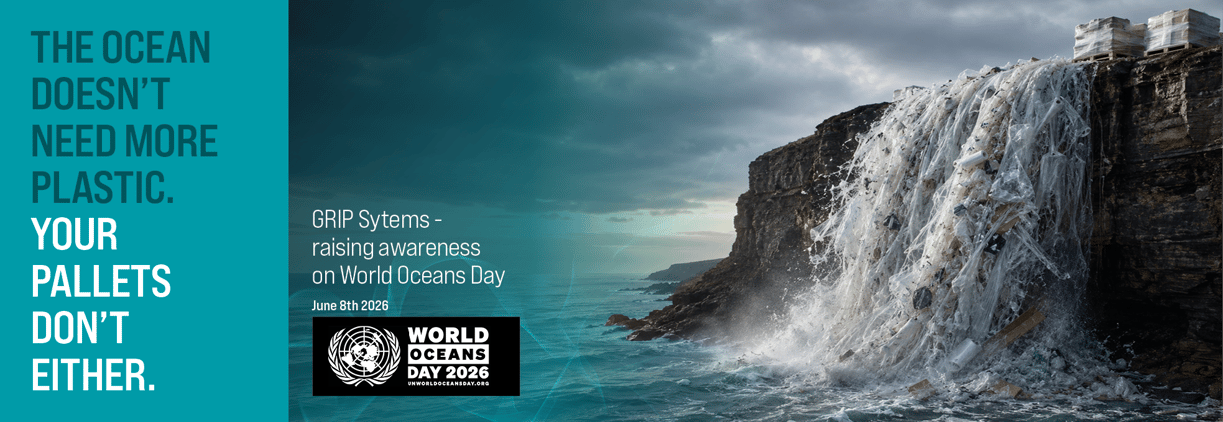
When we think about ocean plastic, images of discarded bottles, fishing nets and littered beaches often come to mind. But the journey of plastic pollution usually begins much earlier.
It starts with the decisions we make about how much material we use in the first place.
Prevention Is Better Than Cleanup
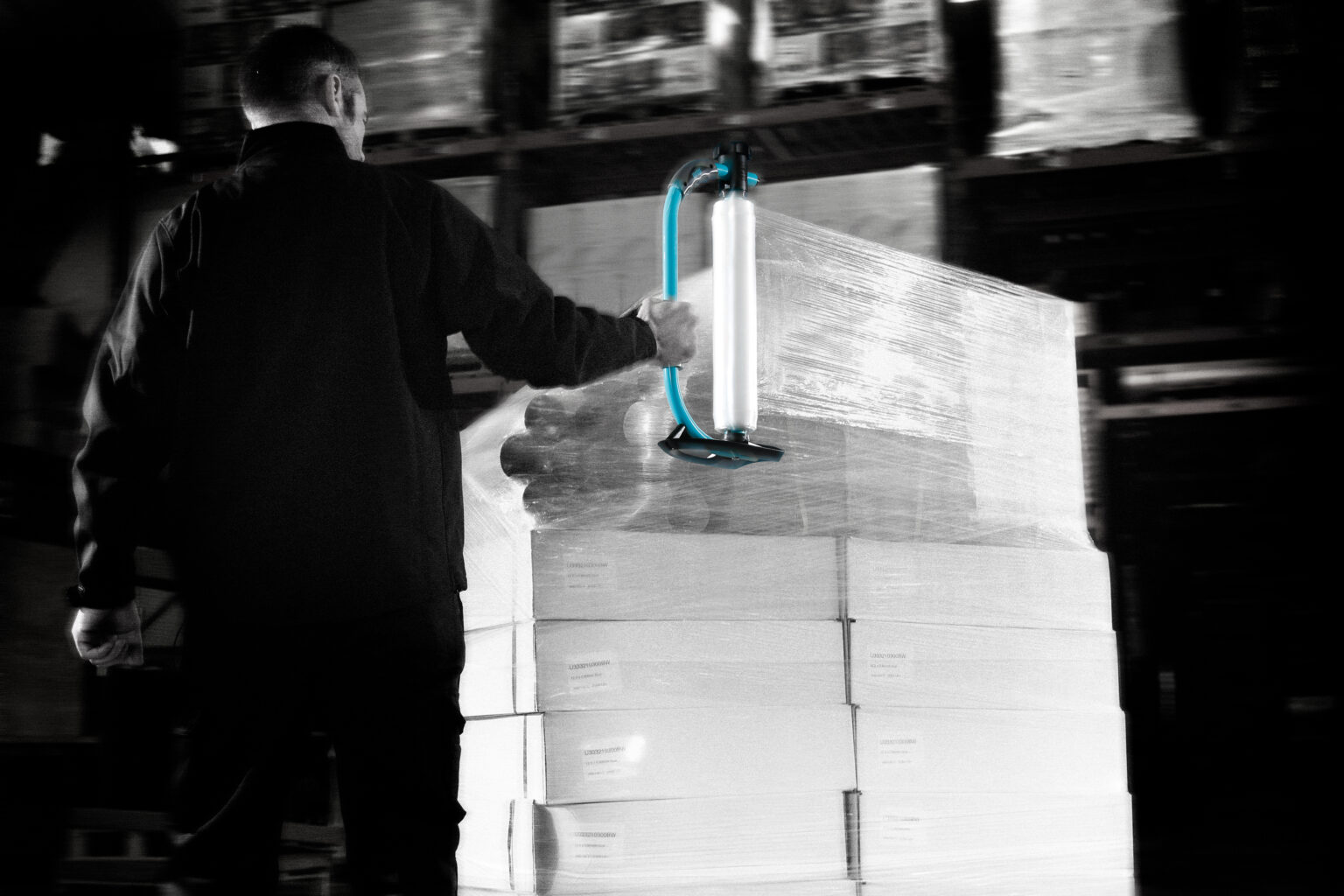
Across industry, millions of pallets are wrapped and transported every day. Stretch film plays a critical role in protecting products and preventing damage during transit.
However, using more film than necessary creates avoidable waste throughout the supply chain.
At GRIP, we believe the most sustainable approach is simple:
The greenest film is the film you never need to use.
That doesn't mean eliminating stretch film.
It means using the right film, in the right way,
at the right volume to achieve the required load stability.
Small Savings Create Huge Results
A typical hand wrapper may use just 20 grams (0.7 ounces) less film per pallet through improved film performance and application techniques.
That doesn't sound like much.
But across 30,000 pallets per year, that equates to:
• 600 kg of plastic saved annually
• 1,323 lb of plastic saved annually
Scale that across hundreds of sites and the impact becomes significant.
If just 1 million pallets worldwide used 20g less film, that would prevent:
• 20 tonnes of plastic consumption
• 44,092 lb of plastic consumption
every single day.
Over a year, that becomes:
• 7,300 tonnes
• 16.1 million lb of plastic that never needs to be manufactured, transported, handled or recycled.
Sustainability Starts Before Recycling
Recycling remains important, but it sits lower down the waste hierarchy than reduction.
The most effective environmental strategy is:
Reduce
Reuse
Recycle
Reducing material use lowers demand for raw materials, energy consumption, transport emissions and waste generation simultaneously.
For businesses, it often delivers operational benefits too:
• Reduced film consumption
• Lower packaging costs
• Less waste handling
• Improved wrapping consistency
• Reduced downtime
• Lower environmental impact
Protect The Load. Protect The Ocean.
World Ocean Day is an opportunity for businesses to consider how everyday operational decisions contribute to broader environmental outcomes.
Every metre of stretch film that can be removed without compromising load security represents a step towards more efficient and responsible packaging.
Because plastic pollution doesn't start in the ocean.
It starts with unnecessary consumption.
And the most effective waste-reduction strategy is to ensure that waste is never created in the first place.
World Ocean Day 2026
This World Ocean Day, let's focus on practical actions that make a measurable difference.
By reducing plastic consumption at source, we can help protect resources, reduce waste and lessen the burden on the environments that sustain us all.
Less film. Less waste. Less impact.