World Environment Day
World Environment Day reminds us that meaningful environmental progress often comes from thousands of small improvements...
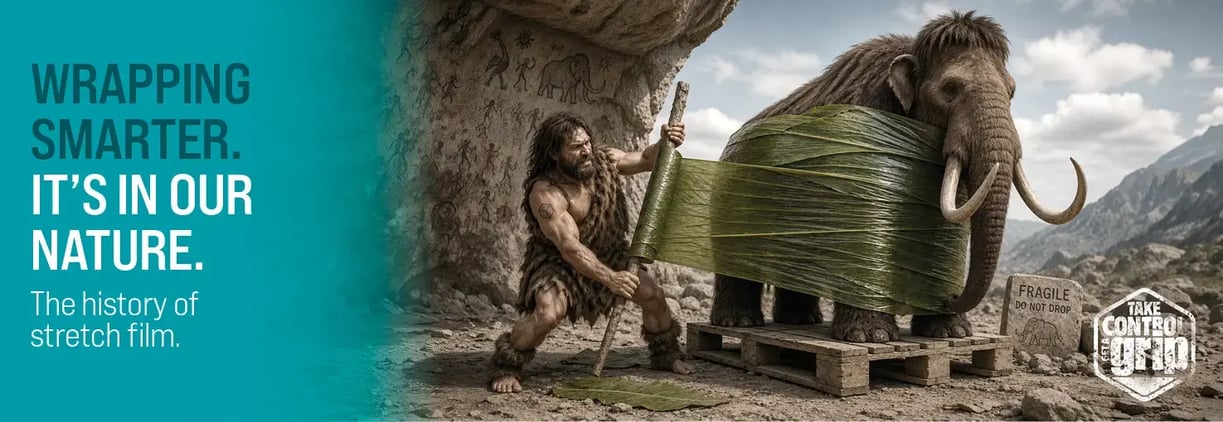
From Accidental Discovery to Modern Pallet Wrapping
Today, stretch film is one of the most important materials in global logistics, securing millions of pallet loads every day. But few people know that its origins can be traced back to an accidental laboratory discovery over 90 years ago.
An Accidental Discovery
The story of stretch film begins in 1933 at Imperial Chemical Industries (ICI) in Northwich, Cheshire, England.
While conducting high-pressure experiments with ethylene gas, chemists Eric Fawcett and Reginald Gibson unexpectedly produced a white, waxy substance - polyethylene. Although they couldn't immediately reproduce the process, the discovery would ultimately transform the plastics industry.
Two years later, ICI chemist Michael Perrin developed a reliable manufacturing process, allowing polyethylene to be produced commercially. By 1939, Low-Density Polyethylene (LDPE) was in commercial production.
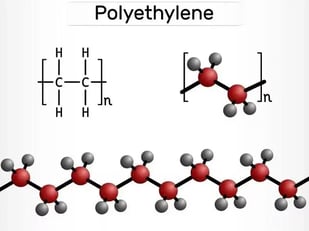
From Radar to Packaging
Originally, polyethylene wasn't developed for packaging. During the Second World War, its excellent electrical insulation properties made it invaluable for protecting radar and communication cables, and the material became a closely guarded military secret.
After the war, manufacturers began exploring commercial applications, and by the 1950s polyethylene films were appearing in packaging products around the world.
The Birth of Stretch Wrapping
Before stretch film, pallet loads were typically secured with steel strapping, rope, twine or shrink hoods. These methods were labour-intensive, expensive and often ineffective for mixed or unstable loads.
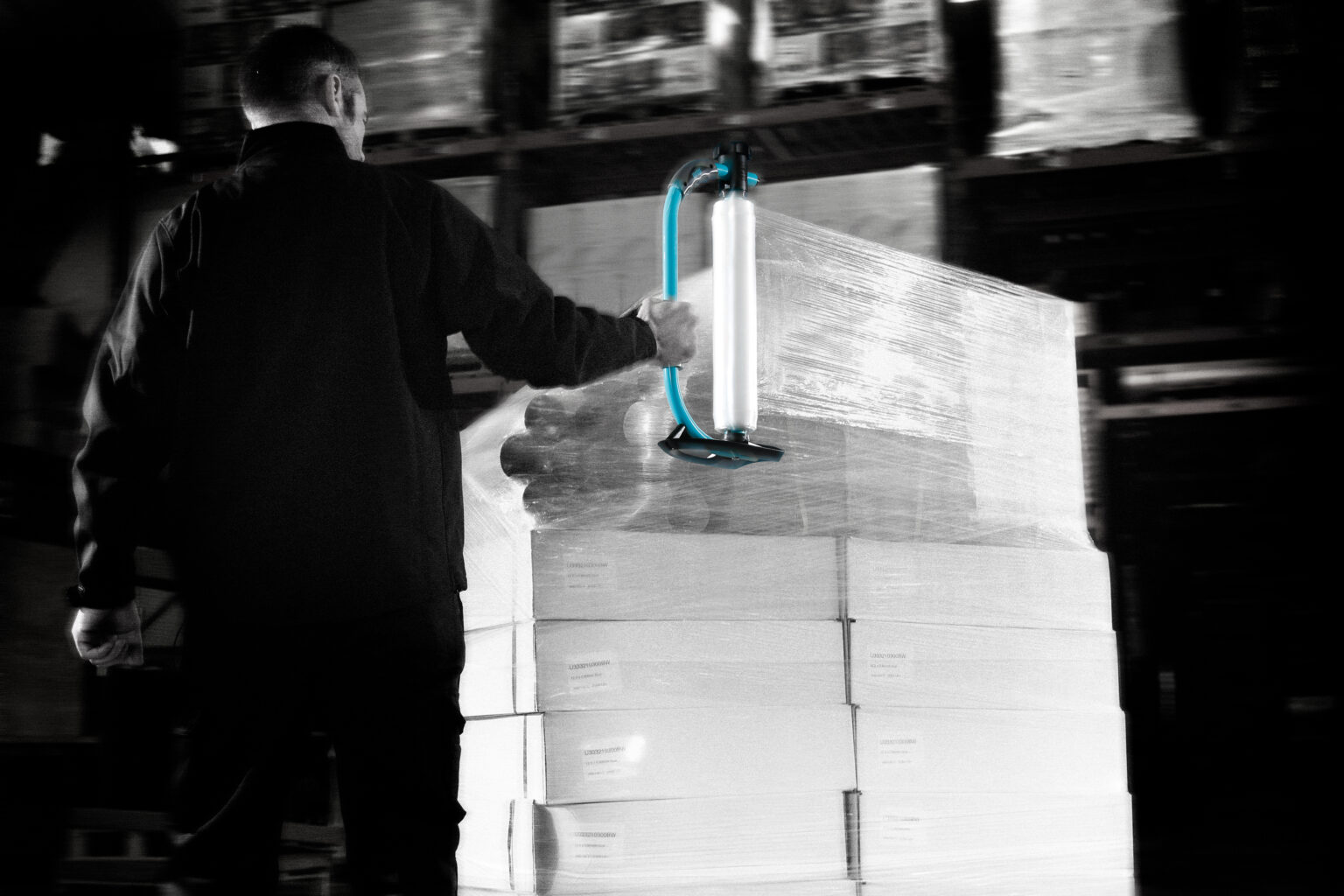
During the early 1970s, manufacturers realised that stretched polyethylene film could securely unitise an entire pallet while using less material and requiring less labour.
A major breakthrough came in 1973, when the Lancaster brothers introduced the world's first commercial stretch wrapping machine. Their innovation revolutionised warehouse operations by making pallet wrapping faster, safer and more consistent.
The Rise of LLDPE
While early stretch films were manufactured from LDPE, the late 1970s saw the introduction of Linear Low-Density Polyethylene (LLDPE).
LLDPE offered significant advantages:
Today, virtually all high-performance stretch films are manufactured using LLDPE technology.
Continuous Innovation
Stretch film has evolved dramatically over the past five decades.
Modern films are stronger, thinner and more sustainable than ever before.
Today's innovations include:
These developments allow businesses to secure loads more effectively while using significantly less plastic than previous generations of film.
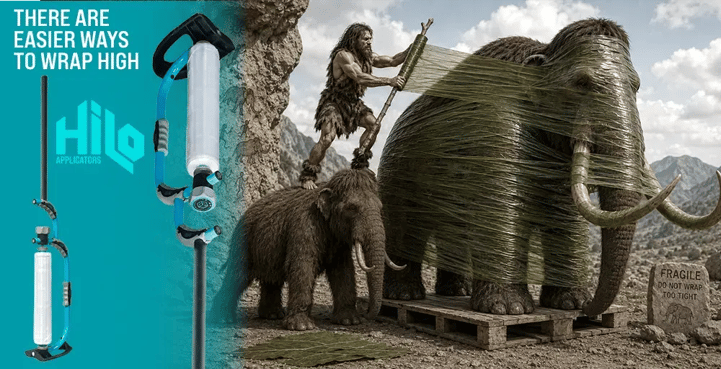
Looking Ahead
The future of stretch film is focused on doing more with less.
Manufacturers continue to develop thinner, stronger films with higher recycled content, helping businesses improve load stability while reducing costs and environmental impact.
At GRIP, we believe the best stretch film isn't simply the strongest - it's the film that delivers the right level of protection using the least material possible.
From an accidental laboratory discovery in 1933 to today's high-performance sustainable films, stretch wrap has become one of the most significant innovations in modern packaging - and its evolution continues.
TAKE CONTROL - GET A GRIP
Less Film. Less Waste. Less Impact.